Kitten with a Whip's Erotica and Kink Education!

D/s Taxonomy Classification
A tongue-in-cheek look at the broader archetypes practitioners identify with when considering power-exchange dynamics.
KINK ED
3/5/202626 min read


Every day, the world introduces us to a new flavor of dominance and submission.
“Me? I’m a Pleasure Dominant.”
“I’m a property submissive.”
The truth is that while there are general types of Dominants and Submissives, we have to acknowledge that everyone is an individual. As an individual, everyone is going to have their own history, desires, limits, and expectations for how a power-exchange dynamic is fulfilled and expressed. This necessitates a flexible or fluid system of identity. Unfortunately, that fluidity can often leave some of us scratching our heads and wondering, “When you call yourself XYZ-Dom (or XYZ-sub), what exactly does that mean?”
So, because I’m a nerd, I went ahead and created a light-hearted guide to considering power-exchange dynamics.
Think of the animal kingdom.
There is so much biodiversity that scientists needed a way of organizing this diversity in order to study it and understand it. So they developed the taxonomy/classification system: Domains, Kingdoms, Phylum, Class, Order, Family, Genus, and Species. An Elephant and an Elephant seal are both mammals, but you won't find them in the same environment and they definitely won't exhibit similar behaviors outside of sleeping, eating, and fucking.
This is similar to the goal many of us have for the BDSM/Kink Community!
Why is classification a good thing?
Power-exchange takes on many forms. It can be ritualistic, playful, primal, chaotic, etc.
We want to have a shared language to facilitate communication and understanding.
We want to highlight the similarities and differences, how our practices have evolved, and perhaps get better at seeing how we are all interconnected in this erotic bubble we’ve created for ourselves!
And possibly, most importantly, identify what is missing and what needs to be addressed to protect what has been built.
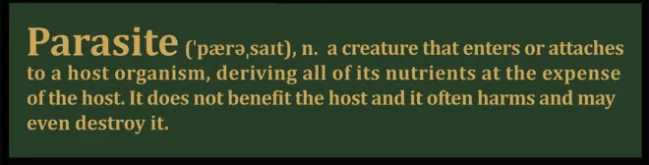
Because, believe it or not, there are those who infiltrate the D/s community without understanding or respecting consent, ethics, or power dynamics. They imitate, relying on coercion and manipulation and disrupt spaces rather than contributing to or improving them. This mirrors biological distinctions between symbiotic/cooperative species and parasitic mimicry.
Let's look at what a D/s Taxonomy System might look like. And who knows? Maybe someone can take this idea and flesh it out even more!
Primary D/s Taxonomic System
Kingdom: Animalia
We are indeed animals. Hopefully, no explanation is needed here.
Phylum: Eroticae
We are organisms whose behavior (in this specific field) is rooted in erotic, consensual, and structured power-exchange. Behavioral patterns, social interactions, and sensory responses are shaped by erotic intention.
Class: Kinkata
We are creatures that participate in structured and stylized kink behavior rather than solely instinctive or generalized erotic expression. Creatures in this class derive fulfillment from ritualized roles and scenes, codified power exchange, or specialized sensory stimuli. The Kinkata represent the most behaviorally diverse class in the Eroticae phylum.
Order: Potentia
Within the class of Kinkata, Potentia's defining trait is intentional engagement with interpersonal power. This is done by wielding power, exchanging it, or destabilizing it in ways that remain consensual and reciprocal.
This is where we encounter the first differentiation within power dynamics.
Family: Top
Top is considered an umbrella term but is typically the person in a scene or dynamic who is guiding, leading, or structuring the interaction. They create the stimulus whether that stimulus is impact, dominance, sensations, caretaking, pursuit, discipline, or simply direction. The authority of the Top is adaptive as the needs of the scene progress and is expressed in strategy, leadership, and consideration for their partner(s). The terms Top and Dominant should not be considered interchangeable.
Family: Bottom
Bottom is considered an umbrella term for the individual who is receiving, interpreting, or transforming the power offered by their top, or others in the scene. This is not a passive role as bottoms influence the power dynamic through responsiveness, whether emotional or embodied/physical expression. Bottoms typically respond, rather than initiate, in the scene. The terms bottom and submissive should not be considered interchangeable.
Now, let's address the archetypes in the Genus category:
Genus: Dominant
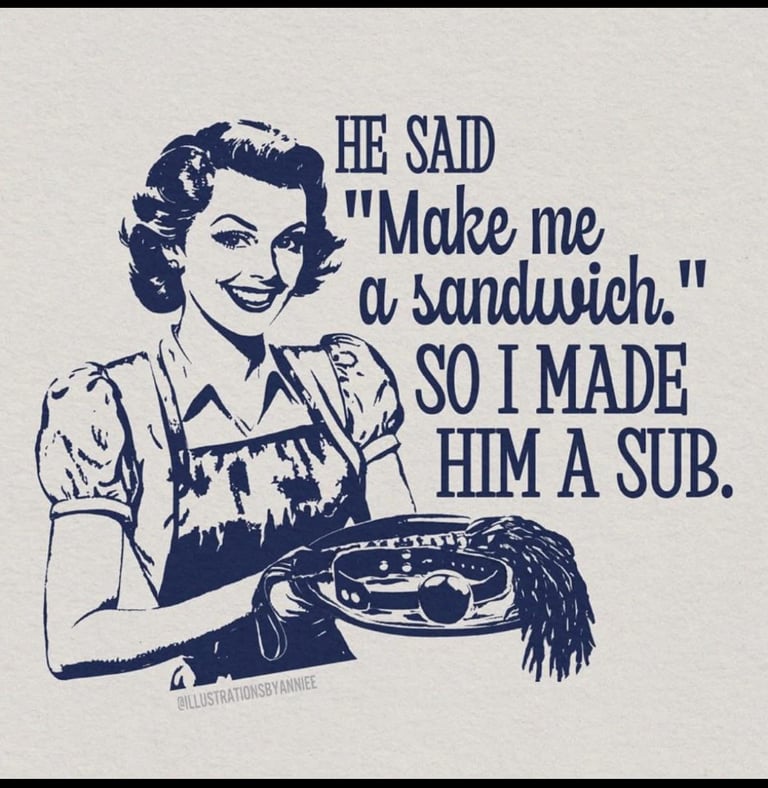
When paired with their submissive half, the Dominant and submissive represent the core relational axis from which all other kink dynamics have evolved. They are the D and the s of the D/s dynamic structure.
The Dominant’s purpose? To create an experience, hold authority, and facilitate pleasure or transformation for the submissive. Dominants excel at directing, containing, and shaping energy. They thrive on responsibility, structure, and the act of leading an intimate experience.
A Dominant may engage in sensory play with their partner, but the infliction of pain or sensation is secondary to the exchange of authority.
Species of Dominants can include:
Skill Dom/me
Amazonian Domme
High Protocol Dom/me
White Knight Dom/me
Pleasure Dom/me
Soft Dom/me
Important note: Not all Dominants are Tops.
Not all Tops are Dominants. Try to avoid using these terms
interchangeably


Genus: Sadist
The architect of a sensory-focused power exchange, where erotic arousal is intertwined with pain (or intense sensations that are interpreted as pain), sensation, and controlled intensity. The Sadist derives erotic enjoyment from delivering the sensation/pain while still operating within the high-trust ecosystem they have negotiated with their partner.
I feel I have to distinguish between a kink Sadist and the clinical paraphilia sadism. The practice of sadism in BDSM hinges on consent at its core. For a clinical sadist, the lack of consent is very much a feature of the gratification they derive.
The Sadist’s authority is tied to their tools and technique, not simply domination for domination’s sake. In addition to verbal communication and guidance, the Sadist also uses check-ins and safeword protocols, and feedback responsive adaptation to know when to pull back and when to apply more sensation/pain.
A Sadistic scene is designed to elicit strong reactions in:
1) the anticipation of sensation (fear),
2) the experience of sensation (pain), and
3) after the sensation (relief , pride, emotional release).
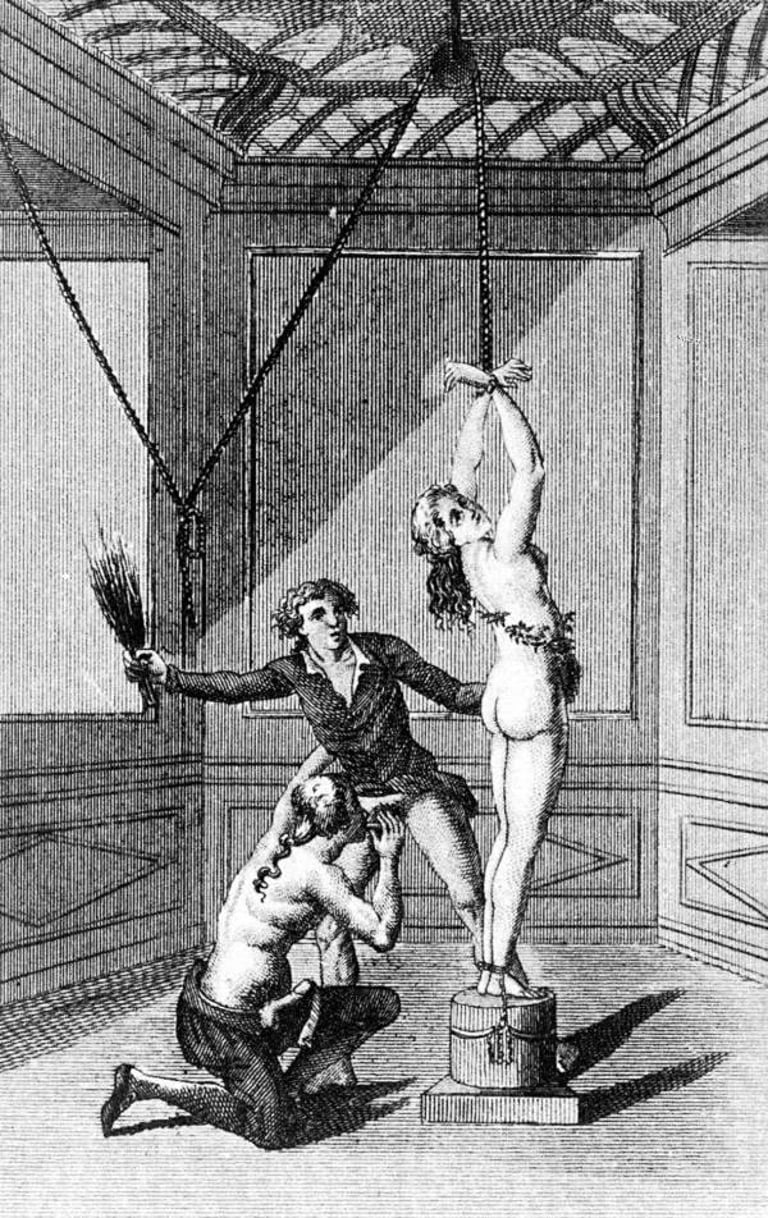
Because certain sadistic practices rely on timing, technique, withdrawal, overstimulation or balancing any combination of these, dynamics can feature the following:
Warm-up, Escalation, and Cool down sequences
Tools or hands-on techniques
Ritualized strikes, wax drops, or rope tension
Praise or acknowledgement of the masochist’s endurance
Impact play
Wax, ice, or temperature play
Rope or binding that produces discomfort
Psychological Edge Play, or Mind Fucking
Species of Sadists include but are not limited to:
Impact Sadists
Sensory Sadists
Ritual Sadists
Psychological Sadists
The last thing a BDSM Sadist wants is permanent physical or emotional damage.
Genus: Master/Mistress
Masters/Mistresses hold authority over lifestyle, ritual, and emotional frameworks. They have taken on a higher degree of psychological, sexual, emotional, and potentially financial control that is more extensive than what is typically negotiated in individual or shorter-term scenes. The Master/Mistress is the focus of protocol, devotion, ritual, and ownership that emphasizes mutual trust and personal growth within a negotiated hierarchy.
The Master/Mistress assumes comprehensive authority over a consensual slave/puppet while also building mutual satisfaction and intimacy into the dynamic. This can be established through the following common rituals:
Daily/weekly protocols
Collarings or symbols of ownership/property
Obedience Training
Ritualized Service Acts
Prioritizing the achievement of scene-based or lifestyle-based milestones
Species of the Master/Mistress identity can include:
High-protocol Ownership (Ceremonial, highly formalized): King/Queen or other nobility; God/Goddess Worship
Financial Domination/Fin Dom
Caretaking: Daily oversight, mentorship, nurturing and protective
1950’s Household Dynamic, where the man is the Master of his home or, when subverted, the man is the one who works to maintain his housewife/Mistress in the lifestyle she desires. While he is the breadwinner, his Mistress makes all the household decisions.
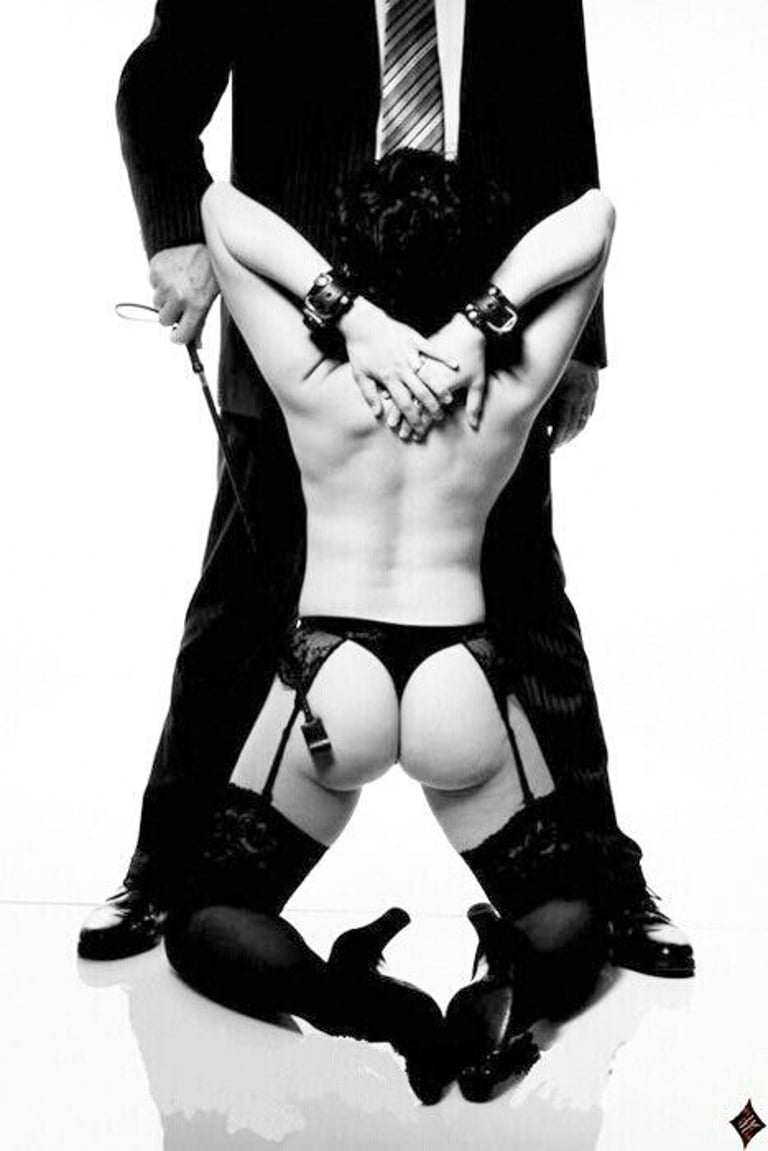

Genus: Brat Tamer
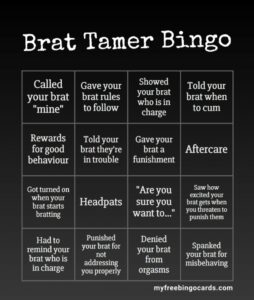
The Brat Tamer is a real-time strategist, effectively enforcing their authority through negotiation, correction, and boundary-setting. The behavior a Brat Tamer responds to is rarely limited to one place, time, or scene. As such, they tend to be vigilant and ready to respond to such behavior at a moment's notice. They thrive on wit, patience, and playful correction. This is also one of the few dynamics where the Top will intentionally adopt traits associated with the bottom such as sassing or in the consensual testing of limits.
Characteristics of a Brat Tamer:
Calm and confident in the face of a challenging submissive
Enjoys playful power negotiation
Particularly skilled in giving physical and verbal cues
Responsive to their submissive’s non-verbal cues and energy


The brat in me really just wants to write "Brat tamers, blah blah blah..." but I want to be taken seriously so I can't do that.
Whatever.
The Brat Tamer seeks to create tension while maintaining a secure connection with their partner. This pairing of seemingly opposing forces often results in heightened intimacy and trust as well as chaotic erotic energy.
Brat Tamers tease their submissives, or brats, remaining playful even when issuing verbal corrections or reprimands. The Brat Tamer can enforce rules and expectations with punishments but this is often the goal of the brat’s behavior. The reprimand becomes positive reinforcement with playful penalties.
Common Rituals Employed by Brat Tamers:
Corrective Challenges (writing lines, generic domestic chores with added consequences)
Energetic chase or play
Verbal (banter) or physical games (wrestling)
Rewards for good behavior
Punishments (or Fun-ishments) as negotiated play
Genus: Rope Top/Rigger
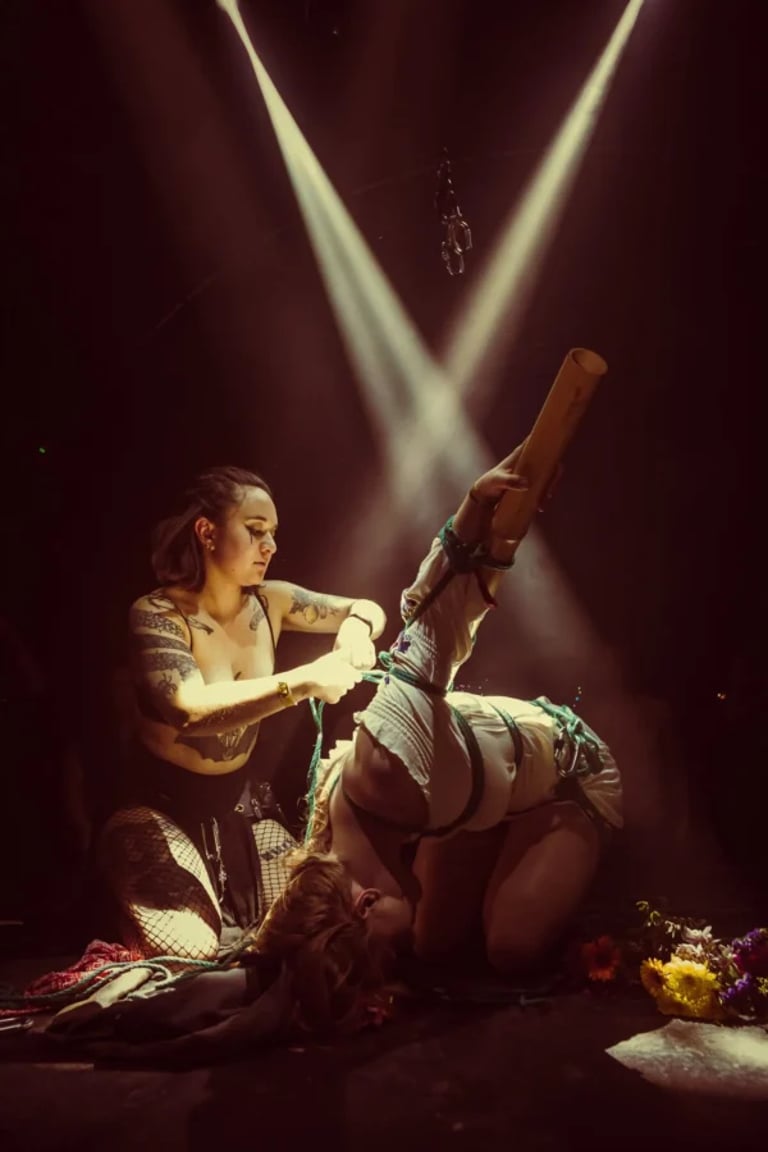
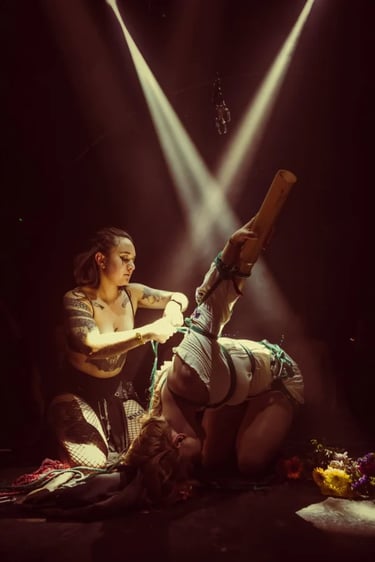
The Rope Top, or Rigger, derives pleasure and erotic satisfaction from creating and maintaining tension, flow, and aesthetically pleasing ties. The rope itself is seen as a third partner in these dynamics. The rope represents the primary medium through which the Rigger imposes control, using technical skill as opposed to verbal or manual authority alone. As such, the Rigger is engaged with the rope, not only as a tool to restrict or punish, but to create art that utilizes the bottom’s body for that specific expression. A beautiful triangulation of power, skill, and beauty.
The Rigger is aware of the risks to their partner, taking into consideration the consequences of rope and knot placement, weight distribution, and the potential for restricted blood flow, nerve damage, etc.
As such, any Rigger should be fluent in:
Giving clear instructions while tying
Using constant feedback checks
Providing verbal reassurances
Guidance through sensation and position
Proper rope maintenance, and
Having the tools for immediate release on their person at all times
With the rope, a Rigger can:
impart pain by keeping their Rope Bottom, or Rope Bunny, in stressful poses or by applying pressure using the tie itself.
Enforce discipline through the restriction of movement, either to give additional punishments or giving their submissive the acceptance they seek in surrendering
Establishes dominance as the rope play is not possible without the submission of their partner
The Rigger can incorporate elements of suspension to add to the challenge of rope tying. Other Rigger rituals include:
Escape challenge ties for playfulness
Finger and hand ties for casual intimacy
Artistic ties for the aesthetic practice
Finally, a Rigger can engage in rope play either partnered or unpartnered. Many Rope Tops engage in self-tying for the practice and also participate in group tying events to improve their skill sets, the technical challenges they provide, as well as for being part of the community.
Genus: Caregiver
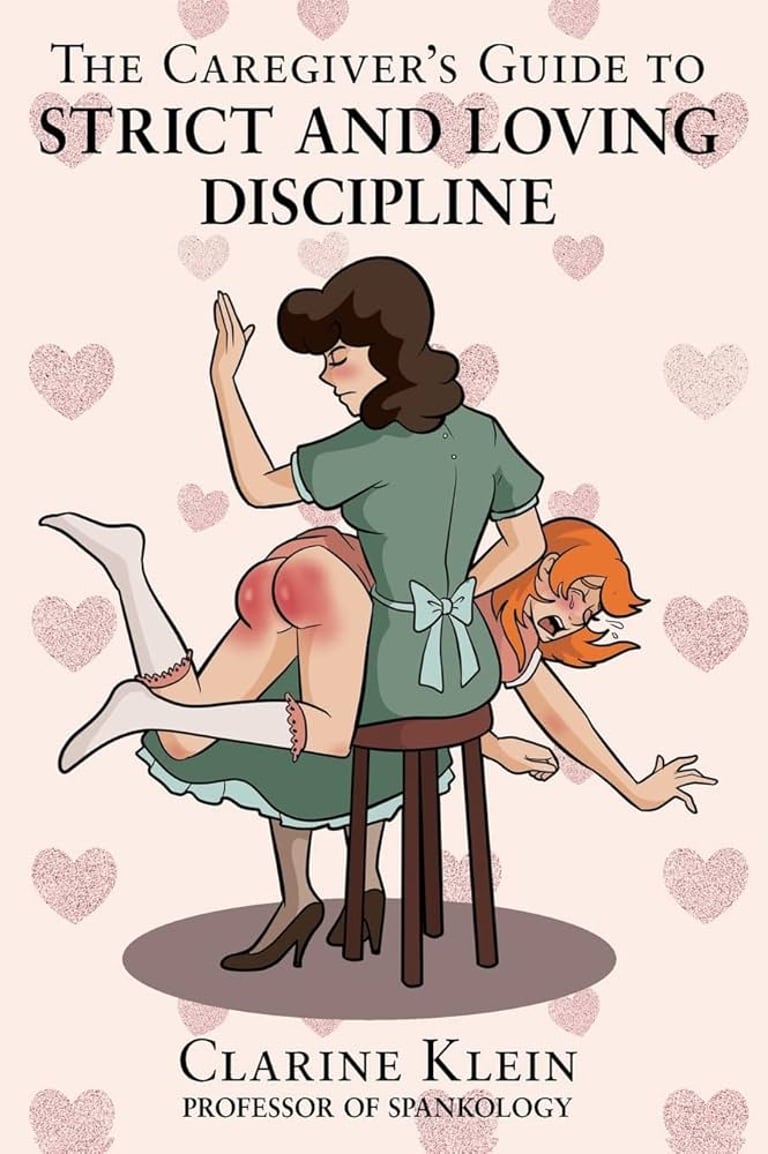
This genus expresses dominance through nurturance, structure, emotional support, and protective authority. Caregivers use emotional warmth as power, stability as dominance, and genuine emotional attunement as the basis for their authority. While dominance and submission are still a present factor, the Caregiver’s authority is intended to provide routine, consistency, and reassurance to a partner in an effort to promote emotional growth and self-regulation.
Caregiver Traits:
Highly attuned to partner’s emotional state
Provides structure, reminders, and gentle authority
Uses soft but firm dominance
Encourages growth, healing, and self-regulation
Prioritizes safety and comfort
May be playful, strict, gentle, or therapeutic in tone
The Caregiver often assumes responsibility for comforting their partner in ways adults are typically not allowed to
seek comfort as those soothing behaviors are seen as immature and childish. The Caregiver provides a non-judgemental space for their partner to indulge in this comfort and becomes the provider of acquiring their partner’s favorite snacks, playtime activities, comfort items like stuffed animals and blankets, while encouraging their partner to also communicate their needs.
This dominant is most associated with Dd/lg dynamics or CGL (Caregiver/Little) dynamics, but has also expanded to include:
Middles
Age regression (non-sexual)
Interpersonal nurturant dominance
Guidance oriented D/s
Structure and routine-based power exchanges
Caregiver Species can include but is not limited to:
Classic Daddy or Mommy Dominant
Emotional Caregiver/Healer
Rule-setter/Strict
Playful Caregiver
Genus: Owner/Handler/Trainer


The Owner/Handler/Trainer assumes responsibility for the Pet’s behavior, training, and overall care within the dynamic. Their role is rooted in structure, authority, and stewardship rather than solely physical domination. In pet play, the dominance can be embodied in three different ways.
The Owner is typically a permanent, nurturing figure who assumes overall "ownership" and responsibility for a pet player.
A Handler is often more task-oriented or temporary compared to an owner's. They are typically responsible for the immediate care, safety, and guidance of the pet during a specific scene.
A Trainer specializes in teaching the pet specific commands, discipline, positions, and "tricks". The role is similar to how a person might take their pet to an obedience class: the trainer helps the pet learn and improve their skills, but may not necessarily assume ownership or provide general day-to-day care for the pet outside of the specific training context. A trainer can be an established owner or handler who incorporates training into their dynamic, or an entirely separate individual brought in for a specific educational purpose.
In the end, all three offer rules, care, and discipline that looks very similar to the care one would provide an actual animal.
The Owner/Handler/Trainer genus centers around possession, devotion, training, and creature identity. Dynamics in this genus emulate domestication ecosystems, where the Owner (or Handler/Trainer) provides structure, habitat, and guidance, and the Pet offers loyalty, affection, responsiveness, and role embodiment in return.
The activities engaged in by the Owner/Handler/Trainer will depend heavily on the reasons for playing as well as the animal persona assumed by the bottom. Regardless, the power exchange is maintained through routine, ritual, affection, and symbolic belonging (e.g., collars, tags, pet names).
Common Activities Facilitated by the Owner/Handler/Trainer:
Collaring & tag rituals
Commands (sit, heel, present, stay)
Grooming (brushing, bath rituals, hair play)
Feeding scenes
Creature play (ears, tails, body language)
Leashing, walking, training sessions
Nesting, kennels, cozy dens
Reward/discipline cycles
The human who becomes the pet is offering loyalty, love, and trust. As the Handler or Owner of this pet, it is of vital importance that one shows up prepared to take this role seriously, to care for the pet while they are in this role, just as they would any pet they accept responsibility for.
Additionally, because of the potential for pets to assume their pet identity so deeply that they lose the ability to communicate with words, it is important for Owners/Handlers/Trainers to be vigilant for nonverbal cues.
It should be noted that Owners/Handlers/Trainers are not always necessary for pet play ecosystems. It is not uncommon for pets to play with other pets (puppy playdates), or to find comfort in their creature identity in the privacy of their own homes (house kitten grooming herself and eating from a bowl) without any interaction from an Owner or Handler at all.
Genus: Hunter


The Hunter genus can express power exchange through pursuit, adrenaline, instinct, and the capture fantasy. The Hunter (or Predator) relies on the thrill of the chase, be it physical or psychological. This genus was saved for last because unlike other power-dynamic identities, the power exchange is optional. Primal doesn't require power to be transferred. It might still happen, but it’s not central. It can be done with Top and Bottom roles, between switches, or be completely egalitarian.
Types of Primal Tops:
Predator: A primal who wants to hunt and/or attempt to capture prey, typically while acting like an animal or in an animal-like way.
Hunter: A primal who typically maintains a human mindset and does not take on an animal role while hunting prey or otherwise engaging with Primal prey.
Alpha: A primal that is part of a pack power structure with one or more other primals, who has a Dominant or authoritative role.
Despite someone identifying as a Hunter, they can still be taken down by another Dominant who identifies as a Predator. And the Hunter or Predator can be outsmarted by primal prey. There are endless possibilities!
Three Distinctions about this genus:
Few (If Any) Toys/Tools Needed: You are the tool. Hands, teeth, voice, energy.
Not Role Play: You aren’t pretending to be a lion. You’re tapping into your inner beast.
Not Pet Play: Pet players take on specific animal roles with caretaking and training. Primal isn’t about training. It's instinct.
Typical Traits of the Primal Hunter/Predator
High energy, alert, and reactive to their environment and prey.
Intense focus on the present moment and sensory experience.
Often displays confidence, assertiveness, and a commanding presence.
Can blend physical dominance with psychological play, reading and responding to the prey’s cues instinctively.
Enjoys pushing boundaries within negotiated limits, often exploring fear, arousal, and surrender.
Common Practices
Chasing and Hunting Games: Teasing, stalking, and playfully pursuing the prey both physically and psychologically.
Pouncing or Capturing: Incorporates safe, consensual tackling, holding, or pinning as part of the play.
Marking or Claiming: Through scratches, bites, scents, or symbolic gestures (collars, scratches, or temporary markings).
Sensory Play: Engages senses fully. Sound, smell, touch, and visual cues are heightened to enhance the primal connection.
Territory Play: Using space, positioning, or props to create a “hunting ground” dynamic.
Parasites and Mimicry in
Dominance 🦠
Fake Dominants
Class: Manipulare
Feeding on Vulnerability and Trust. Healthy D/s is based on mutualism where both partners gain, grow, and flourish.
Fake dominants cannot engage in this. Instead, they feed on:
a submissive’s desire to please
need for leadership
vulnerability
emotional openness
They consume these resources without offering care, structure, or safety in return.
Order: Coercitivia
Violating Ecosystem Ethics
Just as parasites bypass a host’s biological defenses (or use it against the host), fake dominants bypass the ethical defenses of D/s:
they avoid negotiation
ignore boundaries
pressure the submissive into unsafe or undesired behaviors
weaponize role expectation (“a real sub would…”)
Their existence undermines the entire system’s health.
Family: Illusioriae
Destabilizing the Environment
Fake dominants weaken the kink environment by:
creating fear around dominance
causing burnout or trauma in submissive partners
damaging the reputation of real dominants
making newcomers hesitant to trust or engage
They reduce the biodiversity of the D/s ecosystem by driving people away.
Genus: Falsidom
Thriving Where Education & Accountability Measures Are Scarce (or non-existent)
Parasites thrive where hosts lack defenses. Fake dominants thrive where submissives lack:
community support
mentorship
safety education
experience
They exploit knowledge gaps as entry points.
Species: Fake Dom/Domme
Unsustainable Dynamics
Because they do not understand the responsibilities of dominance, fake dominants cannot form sustaining relationships.
When the submissive stops providing:
admiration
attention, and/or
compliance
The parasitic cycle collapses. They move to a new host and repeat.
The Difference Between Dominants Seeking Mentorship, Service Tops, and Fake dominants
Intention and transparency.
❤️🔥 Dominants Seeking Mentorship are transparent about their lack of experience but look to those with more time in the community to learn from them, be they fellow Dominants or submissives. Because you know who knows what works for submissives in a dynamic? That's right. Other submissives.
❤️🔥 Service Tops are present to perform a service, as their title states. They are not entering into a Dominant/submissive dynamic. They are defined by the function they, as a person, are performing for a particular scene or purpose, such as:
administering rope or sensation work
preparing space
offering structured support
organizing or facilitating a ritual
topping in a way that centers someone else’s needs
Once the scene or need has been resolved, the Service Top's role is concluded.
The Service Top role can be adopted by any archetype in the right circumstances. They are educated and execute their role while keeping consent and safety front and center. If you've ever been to a public dungeon and someone offered to demonstrate a technique with you there, then you've met a Service Top.
❌ Fake Dominants are self-serving. They have little regard for the feelings of others and only imitate what others do because they cannot or will not learn how best practices help their partner and/or the community at large
This section is not making a One True Way argument. We all show up in scenes and dynamics in our own ways and those presentations can be influenced by trauma, attachment wounds, and any number of communication snafus. We all make mistakes that can hopefully become teachable moments. This section is NOT referring to folks showing up authentically.
But we all encounter the problematic ones sooner or later. The "dominant" or "submissive" who read a book once or listened to a podcast about D/s dynamics and decided they know better. Before you know it, there are repeated consent violations, injuries passed off as "getting carried away", and blatant gaslighting. These individuals function like parasitic organisms within the D/s ecosystem. They infiltrate healthy environments, mimic beneficial species, and siphon off the emotional and psychological resources of others.
Kingdom: Animalia
Yes, they are animals, too. Just barely, though.
Phylum: Imitaria
These organisms imitate the appearance, language, or posture of true power-dynamic organisms but lack the internal structure found in the Eroticae phylum.
Their hallmark traits include:
Mimicry: copying behaviors of authentic D/s archetypes
Parasitism: attempting to feed off the ecosystem of Eroticae without contributing
Instability: unpredictable, inconsistent behavioral patterns
Lack of Bonding Structures: incapable of forming true Top/Bottom dyads
Feigning Competence: presenting dominance or submission as a façade rather than an identity or dynamic
But this is camouflage, not competence. They imitate the role without understanding consent, ethics, or responsibility.
How about submissive archetypes?
Genus: Submissive
The other half of the D/s coin is the Submissive, the partner that yearns to be guided, shaped, pleased, or transformed through the Dominant’s authority. The submissive listens for commands, tone shifts, expectations, and boundaries. A scene/dynamic challenges the submissive to stay attuned, obedient, and fully present.
Submissives surrender through posture, breath, softening, trust, and yielding. They use their body to communicate openness, receptivity, and readiness, embodying a willingness to be guided and shaped.
Submission brings emotional authenticity: adoration, eagerness, vulnerability, devotion. They express needs and reactions honestly to maintain trust and safety, to signal where they are and what they can hold. How that is communicated is unique to each individual and is never 100% replicated across relationships and scenes.
While submission can be performative, it still centers on obedience or devotion. Each submissive takes pride in the responsiveness, accuracy, beauty, or intensity of their submission. They gain satisfaction from fulfilling the Dominant’s expectations and earning approval (or response).
Submissives execute rituals, follow protocol, and respond to established structure. They respond to Dominant cues as negotiated (as cues can mean different things whether it is a prompt to drop into a specific posture using a simple handle gesture or the signaling of opportunity, the welcome of playful banter and willfulness). Submissives can use ritual to drop into headspace, demonstrate commitment, and express their version of submission.
Common Rituals:
Kneeling
Presenting the body
Performing tasks
Submissive language (yes Sir/Mistress, may I?)
Devotional acts
Genus: Masochist


To the Masochist, pain is a non-binary experience. It is not as simple as receiving or not receiving pain because regardless of the stimulus, the “pain” is being translated into something else that is wholly individual to the masochist.
“Pain can produce endorphins which can hinder and may even block the transmission of pain signals to the brain. As sensory stimuli, the experience of pain can increase the sensation of pleasure. Experiencing pain not only enhances the brain’s attention to pain-causing stimuli but increases the processing and intensity of ALL sensory signals.” (Tellier, 2017)
“More than this, pain–or extreme sensory exposure–can create an altered state that allows the practitioner to slip away from what Baumeister referred to as the “burden of selfhood.” Pain play increases cortisol and testosterone levels, which results in post-scene stress reduction, increased relationship closeness, and an altered state known as transient hypofrontality that results in the brain narrowing its focus to exclude the higher functioning prefrontal cortex in favor of autonomic, sensory, and perceptual awareness.” (Goerlich, 2021)
Pain is not a “threat” to the masochist as the intense sensory experience can just as likely make the masochist erupt in uncontrollable giggles as much as it might result in a powerful orgasm. Every masochist has a unique relationship with pain. Not every masochist likes the same kind of pain or the same intensity. The desired pain may also change from scene to scene with the same masochist.
Motivation:
To experience pleasure through controlled pain and intense sensations, feeding the dynamic for both participants.
Communication Patterns:
Clear verbal and nonverbal cues
Safe-word advocacy
Feedback during and after play
Playful and/or serious testing of limits
Common Rituals:
Submission to implements, touch, or rope tension
Edge-play endurance
Ritualized kneeling, presenting, or positioning
Devotional acts acknowledging Sadist’s skill
Genus: Slave/Puppet


Slaves orient themselves around service, obedience, and ritualized surrender. Their fulfillment arises from consensually negotiated structure, devotion, and purposeful obedience. Not all submissives are slaves. Not all slaves are sex slaves. Not all slaves are house slaves. This dynamic can be explored as a short-term sexual role play but also as a long-term, highly committed lifestyle with no sex involved. Slaves can also be referred to as property or chattel, suggesting complete ownership by another individual is not only possible but encouraged.
Master & Slave dynamics are unique in that the expectations of the slave can be outlined in a contract.
Slave Contracts are actual documents that can be generated online, with signature lines for both parties. In longer term relationships, these contracts will even generate a bar code that can be “tattooed” onto the slave and when scanned, will produce the contract for review. Of course, these contracts are not legal and cannot be enforced in a court of law. Here is an example of one such contract: https://submissiveguide.com/articles/relationships/sample-master-slave-contract-with-ethical-non-monogamy-section/
These types of contracts can be useful as slaves can be loaned or traded at lifestyle events, given to other Masters and Mistresses for a pre-determined length of time. Despite the “powerless” status of the slave, all of this is negotiated beforehand and consent can be withdrawn at any time.
Types of Slavery can include:
Monogamous
Non-Monogamous
Domestic Arrangements (cleaning, chores, running errands, etc)
Free Use Sexual Slavery
Depersonalization Slavery (reducing slave to furniture or a rug to be stepped on)
Total Power Exchange (TPE) Arrangements (perpetual, ongoing, and commanded in all aspects by their Master/Mistress)
Gor Slavery
Communication Patterns:
Clear acknowledgment of instructions
Expressive devotion and gratitude
Active participation in ritual reinforcement
Feedback provided in a respectful, structured manner
Common Rituals:
Obedience acts (tasks, chores, service)
Ritualized greetings and departures
Body presentation (kneeling, bowing, posture)
Collar recognition and ceremonial duties
Genus: Brat
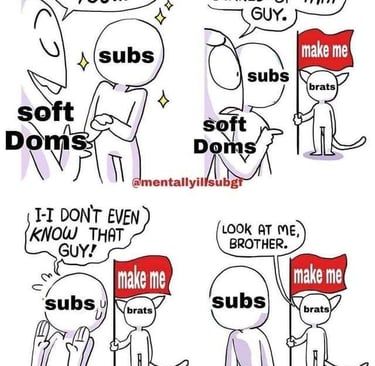
If I've ever heard and identified with a brat statement, it was this: I play to lose.
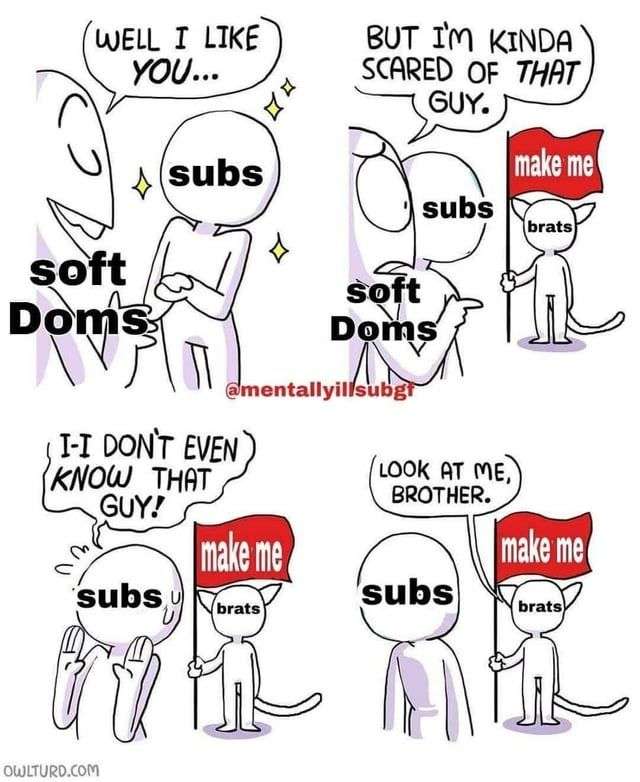
Brats are creatures that veer from the traditional understanding of Dominance and Submission. In previously mentioned submission styles, one common characteristic is easily respectful obedience. When it comes to brats, however, the chief identifying characteristic is playful provocation via wit, teasing, and playful sarcasm that is meant to test their Tamer’s boundaries. In this dynamic, this kind of provocation is used as a form of communication. It tests boundaries, yes, but it also invites connection and an opportunity for validation.
Brat shenanigans test the Brat Tamer. The resistance is a challenge and if the Tamer is unable to negotiate the challenge presented by the brat, the match may not be a good one. The rules of engagement are in place so a brat feels their submission has been earned by a Tamer that is able to accurately interpret their behavior.
That said, the Brat Tamer-Brat dynamic is possibly the dynamic with the highest probability for miscommunication. To an outside observer, bratting may look disrespectful and defiant, two traits not typically associated with individuals seeking submission. Both the brat and the Brat Tamer should have clear, out-of-dynamic, conversations about limits and acceptable consequences as playful provocation should never cross the line into out-tight cruelty and disrespect.
And brats understand that their behaviors carry consequences. Brats desire these consequences. Consequences mean attention. Consequences mean affection. A brat that feels ignored is never a good thing…for anybody.
Motivation:
To engage the Tamer in dynamic energy exchange, creating erotic tension, connection, and excitement.
Communication Patterns:
Teasing, joking, challenging
Expressive body language
Responsive to correction and guidance
Negotiation through play
Common Rituals:
Brattish acts designed to provoke attention
Playful resistance
Mischievous obedience testing
Rewards or acknowledgment for “good brattiness”
Genus: Rope Bottom/Rope Bunny


Rope Bunnies derive satisfaction through being tied, restrained, and suspended, enjoying the physical and mental surrender, aesthetic appreciation, and trust-building inherent in rope play. This is also a type of submission that is considered an art form, where the bunny’s body becomes the canvas for the rope.
According to voudourropes.com, the term Rope bunny refers to the participants willingness to “hop” into a rope scene. Despite being referred to as a canvas for the rope, a rope bunny (or rope bottom) is far from a passive participant.
Bunnies have their own relationship with the rope and the rope scene and can find fulfillment in being a rope bunny for one or more of the following reasons:
Bondage/Restraint Sensations
Surrendering control
Suspension, or the feeling of floating/flying (meditative)
Pain, or the "bite" of the rope
Performative/Modeling Opportunities
Rope bunnies bring their own energy to every session which can in turn inspire the design used by the Rigger (Rope Top). In addition to trusting the Rigger is knowledgeable and is consistently checking in with their rope bottom, there is also a fair amount of collaboration. Riggers have their own set of tools to prepare for a rope session and rope bunnies are no different.
Rope Bunnies should be prepared with the following:
Proper hydration
Stretching both before and after a rope session. (Often times, because of the duration of the session, it is advised to allow the Rigger to assist with slowly coming out of a bind as opposed to immediately releasing a hold!)
Wearing appropriate, comfortable clothing. No underwire bras, jewelry, watches. Think of what you might wear to a yoga or pilates class.
Motivation:
To explore sensation, surrender, aesthetic embodiment, and trust dynamics through bondage.
Communication Patterns:
Clear safe-word or gesture usage
Expressive reactions to tension and position
Negotiation of comfort, suspension duration, and intensity
Affirmative or playful acknowledgment of rope artistry
Common Rituals:
Presenting for tying
Relaxation and breathing sequences
Sensory feedback and position holding
Post-session rope care or admiration
Genus: Littles & Middles
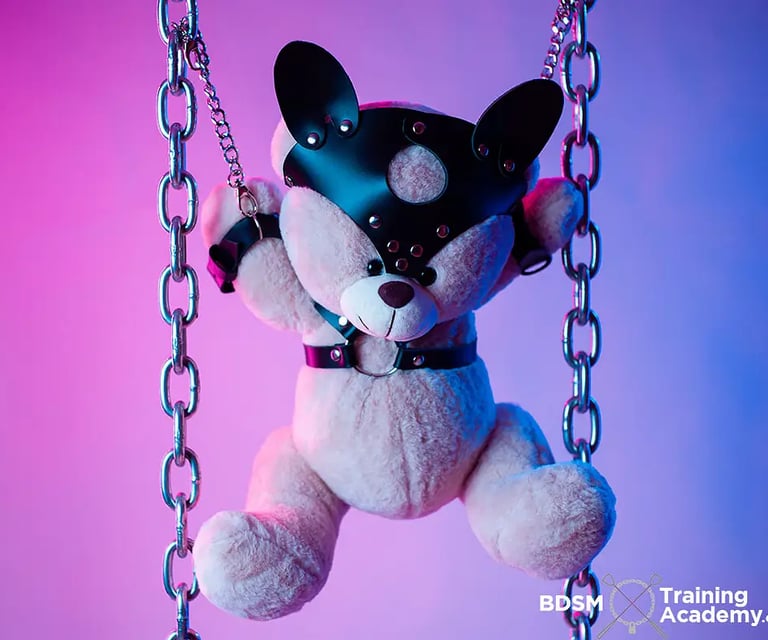
Littles and Middles are bottoms who express themselves in younger headspaces, playful mental states, or emotionally vulnerable modes that invite guidance, protection, and structure. These roles can be non-sexual, sexual, or blended, depending on the dynamic.
NOTE: They aren’t “pretending to be children”! They are embodying a psychological space of trust, vulnerability, curiosity, or playfulness.
Littles differentiate themselves based on their preferred role-play age. Littles tend to role-play as toddlers through to early primary school ages and exhibit childlike energy, innocence, and soft emotions. They enjoy toys, games, giggles, and affection, and in this dynamic are seeking
reassurance, safety, and routine from their Caregiver. In this type of play, Littles may regress to younger speech patterns or behaviors.
Middles typically play older age ranges, preferring to role-play older primary school age through to middle/junior high school. Middles are more independent, sassy, opinionated, or bratty, similar to teenagers in energy (not role-play of minors, but emotional archetype). As such, they push boundaries more than littles but still enjoy creative play, mild rebellion, and exploration within the structure provided by their Dominant.
When the submissive is again acting their biological age, they are said to be in their “big” spaces.
Practices Typical of Littles & Middles:
Coloring, cartoons, plushies
Pacifiers, sippy cups (optional)
Playtime
Blanket forts
Guided bedtime routines
Storytime
Stuffies with assigned roles
Rules, chores, stickers, reward charts
Discipline (timeouts, corner time, light punishments)
Snuggling, reassurance, co-regulation
Middles may prefer:
Sass, mild rebellion, friendly challenges
Journaling, crafts, video games
Teen-like independence-with-guidance
Genus: Pets

Owner/Handler/Trainer Profile:
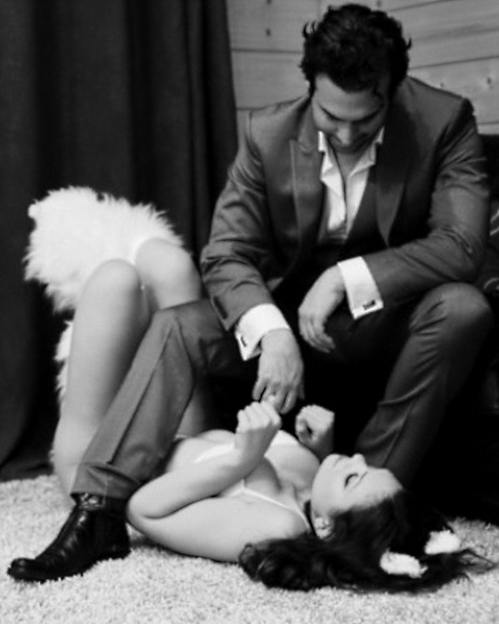
Pets are submissives who express devotion and surrender through creature identity, obedience, affection, and playful or ritualized behaviors. Though pet play most commonly takes the form of puppy, kitten or horse play, for submissives who enjoy humiliation and degradation experiences, they can also role play as a pig, a cow, or some other livestock animal. Identity can be mild, symbolic, or deeply immersive.
Pet play, like any dynamic, can be non-sexual. Pet role-play space is a carefree space for many kink practitioners as rules and expectations are plainly laid out and are easy to understand, the way they need to be for pets that are just learning how to be part of a household with a new handler, trainer, or owner.
The Owner/Pet genus encompasses dynamics where power exchange is expressed through possession, devotion, training, identity play, and caretaking. Unlike
more hierarchical or intense power systems, this genus prioritizes companionship and domestication as the heart of the D/s bond.
1. Possessive Bond Structure
Ownership is symbolic, consensual, ritualized. The Pet “belongs” to the Owner in ways that may include:
Collars
Tags
Leashes
Names
Rituals
Commands
Body language communication
The bond is often affectionate, ritualistic, or caretaking in tone.
2. Consistent Structure & Training
Training is common, whether strict or gentle, including:
Command obedience
Creature behaviors
Household roles
Protocols
Etiquette
Daily rituals
The goal is not control for its own sake, but shaping the dynamic’s ecosystem.
3. Affection-Based Power Exchange
Affection is often the primary reinforcement:
Scratches
Cuddles
Grooming
Praise
Co-regulation
Physical closeness
Emotional intimacy is at the core of this genus.
Genus: Prey


Primal play is a type of exchange where participants give free rein to their natural impulses, raw feelings, and basic instincts. As such, Primal play is the most resistant to typical D/s power-exchange dynamics. In this relationship, both the Hunter/Predator and the prey discard their inhibitions, ignoring what polite society has told them is the proper way of doing things.
The Prey/Quarry is the intuitive, instinct-driven counterpart to the Hunter/Predator. Their role centers on being pursued, challenged, and claimed in a consensual yet primal manner. Prey energy is not synonymous with weakness. Rather, the prey role is defined by
responsiveness, cunning, emotional intensity, and the ability to heighten the predator’s focus through movement, defiance, or surrender. Prey thrive in the tension between vulnerability and power, offering their reactions as the “fuel” for the predator’s pursuit.
The Prey role can explore vulnerability, fear-arousal, catharsis, adrenaline, and eroticized surrender. They may enjoy being overpowered because the predator “earned” it through the hunt.
Interaction with Hunters/Predators:
Prey shape the hunt’s rhythm—fast or slow, teasing or frantic, resistant or surrendering. Their shifts in energy guide the Predator’s intensity. A skilled Prey understands how to emotionally “feed” the chase, whether by fleeing or by seducing the predator into pursuit.
Play Style:
Often improvisational and emotional, highly dependent on chemistry, nonverbal communication, and in-the-moment instinct. Prey energy tends to fluctuate between moments of fear, bratty defiance, sly cunning, or simple surrender.
Parasites and Mimicry in
Submission 🦠
Fake Submissives
Healthy D/s relies on a balance of structure and trust. These imposters exploit:
dominant caretaker instincts
the desire to teach or guide
emotional labor
the need to protect or support a partner
They drain these resources without offering genuine obedience, vulnerability, or follow-through.
Class: Manipulare
Parasites disguise themselves as harmless or needy.
Fake submissives mimic:
fragility
eagerness
compliance
softness
the appearance of wanting guidance
But the submission is only surface-level. Their mimicry is designed to gain access, not to surrender power.
Order: Coercitivia
Like parasites that manipulate host biology, fake submissives manipulate D/s norms to avoid accountability:
they demand guidance but reject boundaries
insist they “can’t” communicate clearly
refuse to learn protocols or expectations
weaponize helplessness to avoid responsibility
use praise-seeking or crisis to redirect attention
Their goal is to receive, not to serve.
Family: Illusioriae
Fake submissives weaken the ecosystem by:
burning out dominants with emotional drain
creating confusion about what healthy submission actually is
sabotaging scenes through inconsistency
causing dominants to doubt themselves or withdraw from the community
This reduces the health and diversity of the entire D/s environment.
Genus: Pretensarii
Thriving on Inexperience
Parasites find success where hosts lack defenses. Fake submissives are more likely to thrive with dominants who are:
new
unseasoned
struggle with maintaining boundaries themselves
overly responsible
eager to mentor
They rely on the dominant’s desire to help, support, or lead.
Species: Fake Submissive
Because they do not actually surrender, invest, or participate, the dynamic becomes one-sided.
When the dominant begins enforcing structure or expecting consistency, the fake submissive often reacts by:
withdrawing
deflecting
blaming
seeking a new dominant to feed on
The cycle repeats until boundaries and community awareness stop it.
The Difference Between Submissives Seeking Mentorship, Service Bottoms, and Fake Submissives
Intention and transparency.
Submissives Seeking Mentorship may be eager to serve but they should also be prepared to demonstrate humility. Vetting is a never-ending process for both the sub and the Dom and should a sub resist someone's vetting process, this should be considered the first red flag.
Service Bottoms are present to perform a service, as their title states. They are not entering into a Dominant/submissive dynamic. They are defined by the function they, as a person, is performing for a particular scene or purpose.
A Service bottom typically:
Follows scene instructions because that is the agreed-upon role
Engages in acts of service without giving up personal authority outside the scene
Maintains agency and active participation
May give feedback, negotiate clearly, and retain equal power outside the activity
Consensually allows the Top to direct the scene as an activity, not as a relationship dynamic
A service bottom explicitly negotiates the limits of authority and offers task-based service, not submission. The service bottom role can be adopted by any archetype under the right circumstances.
❌ Fake submissives claim to be submissive but do not want to relinquish power. They refuse direction unless it aligns with what they want anyway. They tend to hide behind the title of "submissive" as a way to manipulate, control access, or avoid accountability. They are about control, not ethical power exchange.
I'm repeating this in case you missed the section about similar behaviors by dominants. This section is not making a One True Way argument. We all show up in scenes and dynamics in our own ways and those presentations can be influenced by trauma, attachment wounds, and any number of communication snafus. We all make mistakes that can hopefully become teachable moments. This section is NOT referring to folks showing up authentically.
But we all encounter the problematic ones sooner or later. The "dominant" or "submissive" who read a book once or listened to a podcast about D/s dynamics and decided they know better. Before you know it, there are repeated consent violations, injuries passed off as "getting carried away", and blatant gaslighting. These individuals function like parasitic organisms within the D/s ecosystem. They infiltrate healthy environments, mimic beneficial species, and siphon off the emotional and psychological resources of others.
Kingdom: Animalia
Yes, they are animals, too. Just barely, though.
Phylum: Imitaria
These organisms imitate the appearance, language, or posture of true power-dynamic organisms but lack the internal structure found in the Eroticae phylum.
Their hallmark traits include:
Mimicry: copying behaviors of authentic D/s archetypes
Parasitism: attempting to feed off the ecosystem of Eroticae without contributing
Instability: unpredictable, inconsistent behavioral patterns
Lack of Bonding Structures: incapable of forming true Top/Bottom dyads
Feigning Competence: presenting dominance or submission as a façade rather than an identity or dynamic
But this is camouflage, not competence. They imitate the role without understanding consent, ethics, or responsibility.
Contact
Questions, thoughts, or just saying hi
The phone # is fake
vita.v.tease@gmail.com
555-555-5555
© 2025. All rights reserved.